



Shannon C. Leary is a Partner at Gilbert Employment Law, P.C. (formerly the Law Offices of Gary M. Gilbert & Associates, P.C.), as well as the Chair of the Firm’s LGBTQIA+ and Gender Issues Practice Group. She graduated from American University’s Washington College of Law in Washington, D.C. Ms. Leary also holds a Bachelor of Arts in Philosophy from Villanova University in Villanova, Pennsylvania. She is admitted to practice law in the state of Maryland and Federal Court in the District of Columbia.
Along with litigating federal sector employment law cases before the EEOC and MSPB, as well as employment discrimination cases before Federal Courts, Ms. Leary provides training as an instructor with the Gilbert Training Group on issues including reasonable accommodations, sexual harassment, damages available to complainants, and the EEOC’s federal sector hearing process. Ms. Leary has also written on topics including LGBTQIA+ rights in the workplace and the Federal Sector EEO process.
 By: Leary
Price: $160.00
Edition: 1st/2025
ISBN: 978-1-956013-50-4
Availability: IN-STOCK
Samples: Table of Contents ------- Text Sample
This new guide offers the history of relevant case law, policy, and guidance applicable to LGBTQIA+ federal employees; various legal claims and theories LGBTQIA+ federal employees may bring complaints under; strategies for the various stages of a federal sector complaint, including the informal and formal complaint processes, litigation, motions practice, and hearings before EEOC Administrative Judges; attorney fees and costs; compliance and enforcement. (more details)
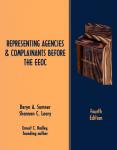 By: Sumner & Leary and Founding Author Hadley
Price: $250.00
Edition: 4th/2024
ISBN: 978-1-956013-35-1
Availability: IN-STOCK
Samples: Table of Contents ------- Text Sample
In its 4th edition, this Dewey classic provides comprehensive analysis of federal sector practice before the EEOC. Major topics include individual and class complaint processes, theories of discrimination, pre- and post-investigation case evaluations, discovery, settlement, hearing practice, class actions, remedies, and post-hearing procedures. (more details)
